


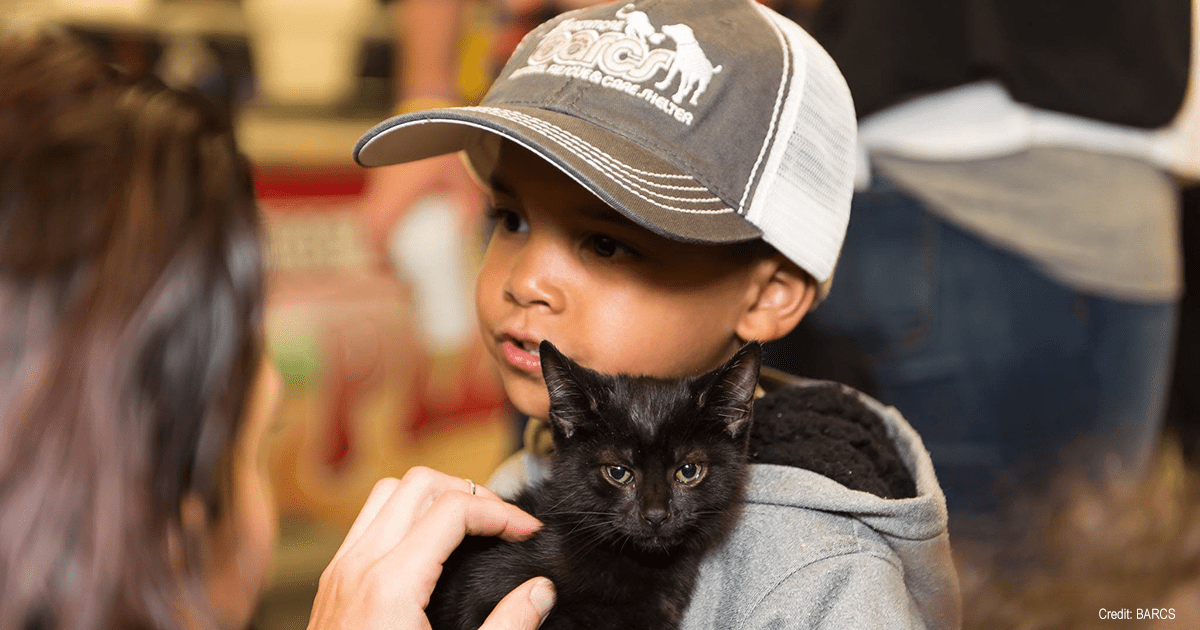
Jul 31, 2025 Baltimore Animal Rescue and Care Shelter (BARCS): An Inspiring Life-Saving Shelter Story
Introduction
 Baltimore Animal Rescue and Care Shelter (BARCS) exemplifies compassion, resilience, and innovation in animal welfare. Starting from humble beginnings, it has become a crucial part of Baltimore, making a significant difference in many lives—both animals and people. Since its founding in 2005, BARCS has cared for more than 200,000 animals and provided preventive care to thousands more. BARCS is an open-admission facility that accepts any animal in need and provides shelter, food, and care in all circumstances.
BARCS and the Baltimore City Health Department’s Bureau of Animal Control share 7 acres off Giles Road just south of downtown Baltimore, Maryland, near the Middle Branch of the Patapsco River. It is located in the Cherry Hill neighborhood, close to the waterfront and easily accessible from I-95. When visitors arrive on the campus, they are greeted by surrounding trees and vegetation, along with wooded dog trails filled with happy dogs on walks with their caregivers, mostly volunteers. Sniffing and exploring are the main activities, along with stops at various dog walk stations.
Inside, the BARCS facility is a hive of activity, including interactions with housed animals, animal intakes, pet reclamations, adoptions, training and enrichment, surgery and medical care, fostering, outdoor cat initiatives, and volunteers tending to animals. Yet, all activities flow smoothly forward, leading to extraordinary achievement.
History
Before 2005, Baltimore City’s municipal animal control and sheltering duties were combined under the Department of Health. Under that arrangement, the municipal city shelter admitted around 10,000–12,000 animals annually, with a negligible live release rate resulting from insufficient staffing, limited funding, inadequate housing, low morale, and poor adoption services.
In an attempt to address these issues, the city, in 2005, transferred shelter management to BARCS, a new private nonprofit (501(c)(3)) organization, to operate the shelter facility and care for animals in need. Baltimore City Animal Control continued investigating animal neglect, cruelty complaints, and animal bites, ensuring compliance with animal-related laws and health codes. Despite similar intake numbers, BARCS doubled the live release rate in its first year. In another big step forward, in 2020, BARCS and Animal Control moved to a new facility in Cherry Hill, provided by the City of Baltimore, that offered additional space and improved conditions for the animals.
How Did This Happen?
Since 2005, Jennifer Brause, the CEO and Founder of BARCS, has led the organization from a fledgling operation to an inspiring, life-saving, community shelter. Rick Bernthal, Vice-Chair of the BARCS Board of Directors, who has worked with Jen for years, describes her as “a whirlwind of energy, a fount of knowledge and experience, and the best thing that ever happened to dogs and cats in Baltimore.” With the support of a dedicated team of staff and volunteers, along with a committed Board of Directors, Jen and her team have transformed BARCS into Maryland’s largest companion animal shelter, with an annual revenue of around $7 million. They admitted 12,288 animals in FY2024—including dogs, cats, small animals, wildlife, farm, and exotic animals—and help approximately 7,000 owned pets stay in their homes each year, achieving a shelter live release rate nearing 90%. Most municipal shelters operate with 100% local government funding, but BARCS receives only 20% of its funding from the City of Baltimore. The remaining 80% comes from private donations and foundation grants.
BARCS’ People
BARCS’s greatest asset is its people, including dedicated leadership, staff, and volunteers. Most importantly, all staff and volunteers believe strongly in the mission and show compassion for people and animals. These values, demonstrated and acted upon by the BARCS’ team, are vital for strengthening community bonds and keeping people engaged as allies in lifesaving efforts. In FY2024, almost 2,600 volunteers contributed 42,000 hours of effort while 987 foster homes cared for 2,246 animals.
Programs and Services
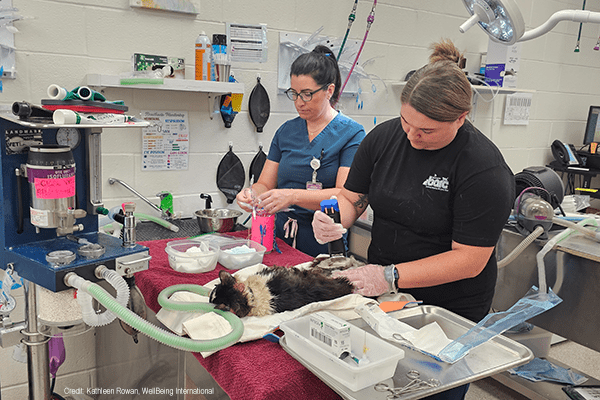
BARCS Surgery Prep Room
Since BARCS is an open-admission facility that accepts any animal in need, initial efforts focused on establishing effective adoption programs, recruiting volunteers, developing animal transfers to rescue groups, and improving the animal care programs. With these foundations in place and fundraising underway, BARCS expanded to include foster, surgery and medical care programs, enrichment and training initiatives, trap/neuter/return for outdoor cats, offsite adoption events, pet support services for families facing financial hardship, and neighborhood outreach. These programs ensure that every incoming animal receives proper care and sufficient placement opportunities while supporting pet owners in the broader community.
Innovation
BARCS is dedicated to evaluating, evolving, and reimagining how animal care is delivered to save more lives and improve animal well-being. The organization fosters a culture that welcomes change and uses data and analysis to find the most effective and efficient solutions.
Community Engagement
By openly sharing organizational challenges, program statistics, and operational needs, BARCS aims to continue to build trust within the community and promote collaborative teamwork with the community in solving problems. Through BARCS programs for reclamation, adoption, fostering, volunteering, and providing resources to help families keep pets, along with efforts to raise public awareness, community involvement and engagement have grown significantly. For twenty years, BARCS has stayed dedicated to being transparent about its operations and challenges to maintain community trust. BARCS believes that its fundraising growth has resulted from its transparent community engagement. BARCS also helped launch the Baltimore Animal Welfare Alliance in 2008 to partner with other community animal shelters and rescue operations.
BARCS is raising public awareness regarding its main challenge – dog intake exceeds capacity, making funding for medical care and staffing essential to sustain and expand programs.
Final Comments
Animal shelters in America have transformed over the past hundred years from municipal pounds into safe places for rescue and care, evolving into operations that connect and support people and animals while promoting community well-being. WellBeing International encourages everyone to support their local shelters through volunteering—such as walking dogs or cleaning kennels—fostering animals until they find permanent homes, working with community events to raise awareness, and donating food, supplies, or money.