

Animals in Our World Archive

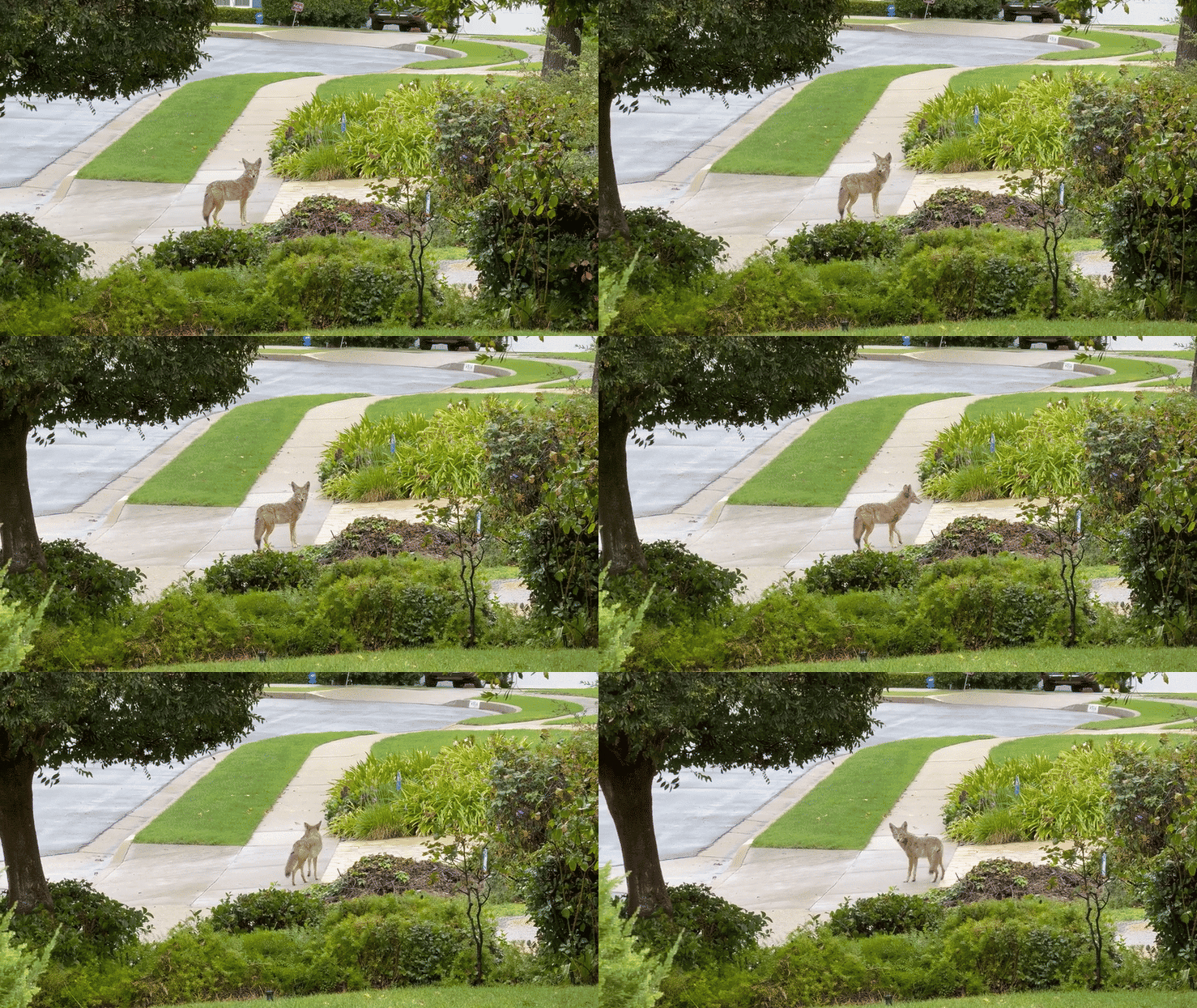
Across much of North America, coyotes have become increasingly visible neighbors. Once associated primarily with prairies, deserts, and rural landscapes, they are now common in suburbs, city parks, golf courses, and even densely populated urban neighborhoods. Their presence can inspire a range of reactions—from fascination...

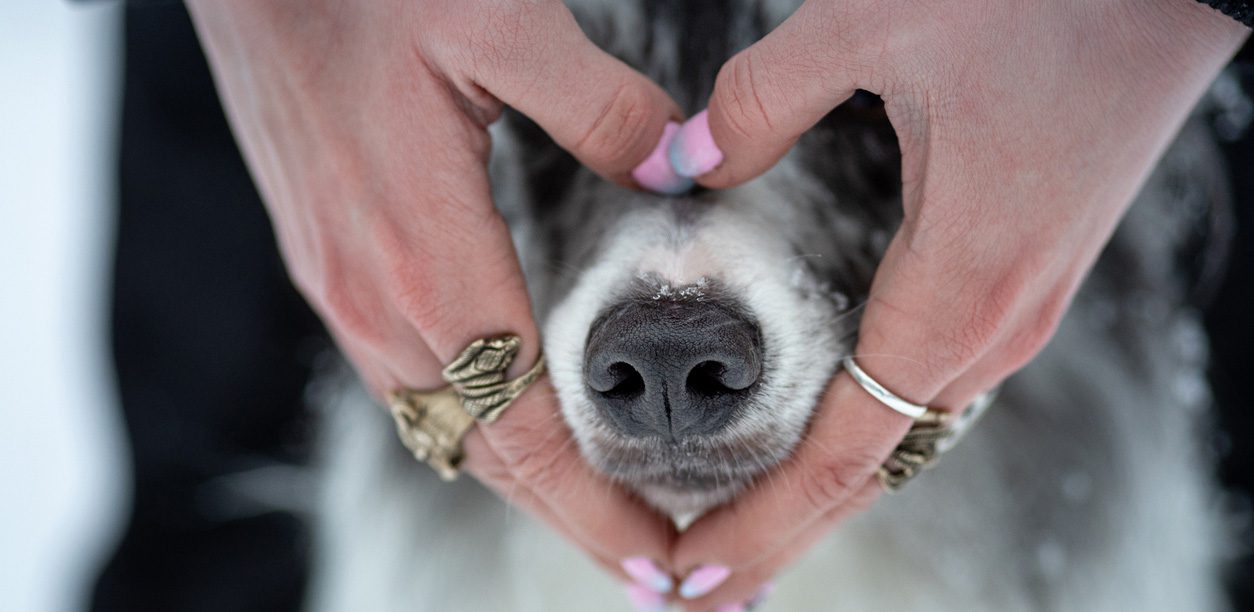
In 1989, The Lancet published a letter from two British dermatologists describing an intriguing anecdote of a canine possibly detecting cancer. A British woman noticed that her dog kept sniffing a mole on her leg and seemed unusually focused on that spot. At first, she...

It is now widely accepted that sharing one's home with a companion animal, especially a dog, confers both organic and mental health benefits on the humans in the pet-owning household. This recognition of the health benefits of companion animals has been shaped by marketing campaigns...

Nearly 70 years ago, a two-person team published a manuscript outlining methods, approaches, and – broadly speaking – the shifts in mindset necessary to make animal use in experimentation more humane. The Principles of Humane Experimental Technique by W.M.S. Russell and Rex L. Burch published in 1959 by Methuen introduced the concept which has come to make an indelible...

Until the lion has a historian of his own, the tale of the hunt will always glorify the hunter.    This African proverb inspires the title of Professor Sandra Swart's book, as she sets out to take on the challenge of writing a multi-species history that does not glorify the hunter. Professor Swart from Stellenbosch University, South Africa, successfully produces a compelling multispecies history of Africa. As...

For animals in distress, the fate of a single animal can remove geopolitical borders, render differing ideologies unimportant, connect disparate institutions, and create coalitions that would not otherwise collaborate. From Cold War adversaries to today's networks of scientists, policymakers, and private actors, responses to animals...

For nearly two centuries, Floreana Island in the Galápagos was missing one of its most important inhabitants. Giant tortoises—once the slow-moving "gardeners" that shaped the island's landscape—had vanished, leaving behind an ecosystem invaded by rats, feral cats, and other domestic animals that arrived alongside the...

Translate »
Do Not Sell or Share My Personal Information