

Kathleen Rowan CEO, WellBeing International Archive

For animals in distress, the fate of a single animal can remove geopolitical borders, render differing ideologies unimportant, connect disparate institutions, and create coalitions that would not otherwise collaborate. From Cold War adversaries to today's networks of scientists, policymakers, and private actors, responses to animals...

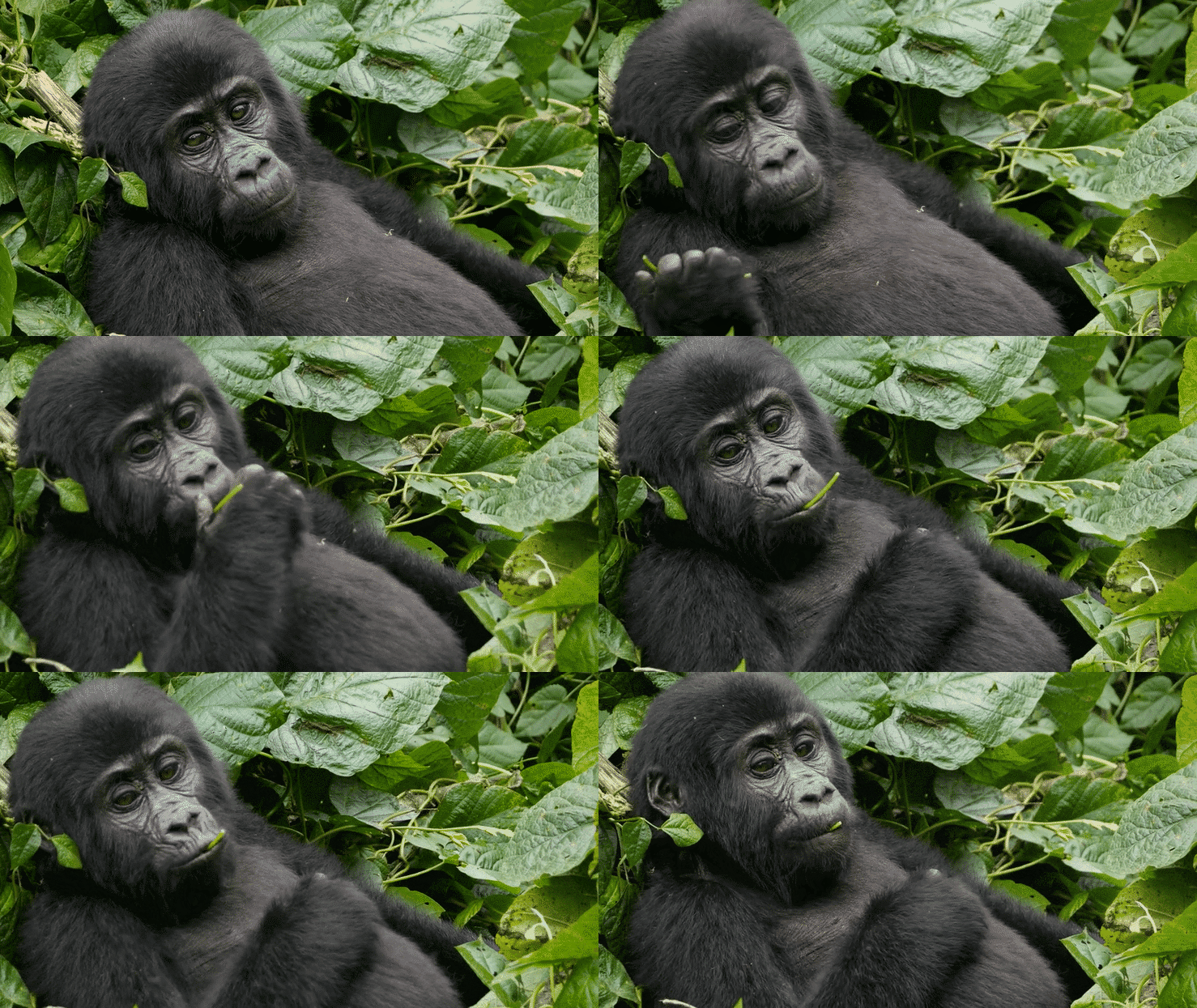
High in the mist-covered slopes of the Virunga Mountains—where Rwanda, Uganda, and the Democratic Republic of Congo meet—lives one of the world's rarest animals: the mountain gorilla. It is a conservation success story that these great apes still exist. Their numbers have nearly quadrupled to...

Should we exercise—and if so, how much and how hard? Over the past four decades, research has consistently shown that physical activity contributes to longer life. Yet questions remain about the intensity of exercise, the types of activity that matter most, and how emerging environmental...

The media often highlights disasters—captured in the phrase, "If it bleeds, it leads." But not all environmental news is negative. In recognition of Earth Day on Wednesday, April 22, 2026, WellBeing International, Inc. would like to highlight several significant wins for our planet. Cleaner air at...

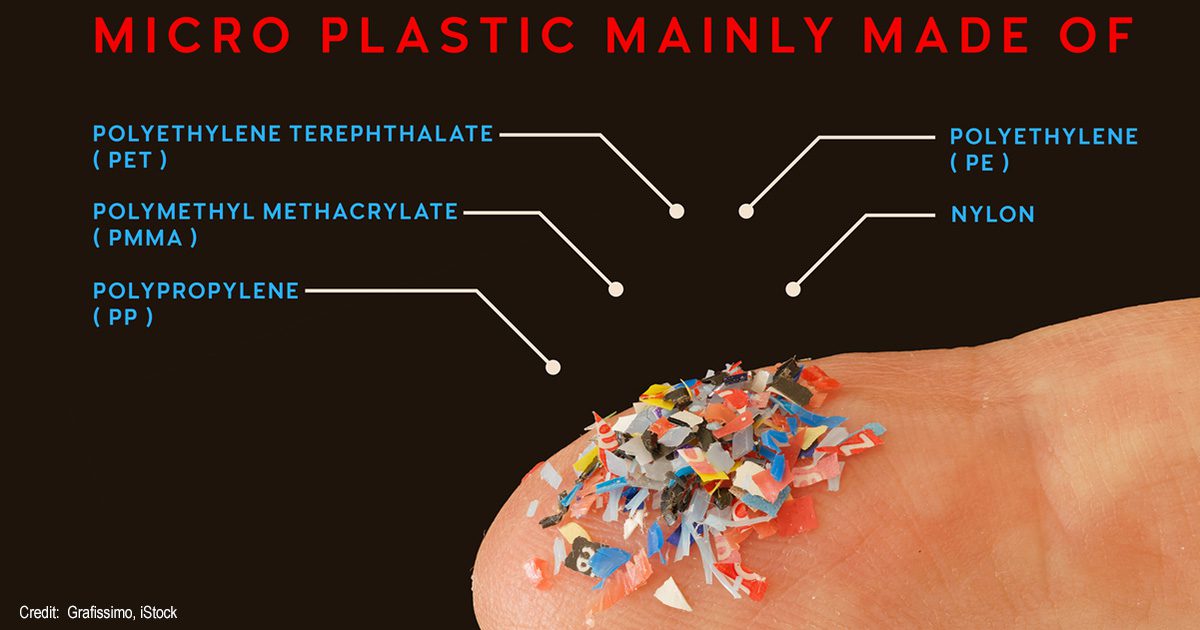
Twenty-two years ago, on May 7, 2004, Richard Thompson and seven co-authors from the Sir Alistair Hardy Foundation for Ocean Science in Plymouth, England, published a brief one-page article in Science, entitled "Lost at Sea: Where is All the Plastic?" The authors noted that countless...

The scimitar-horned oryx is a large antelope, weighing between 300 and 400 pounds. It is known for its striking appearance, with a beautiful combination of white and red fur and long, curved scimitar-like horns. Historically, these oryx roamed the grasslands bordering the Sahara Desert, with...

Translate »